How to Clean Mud and Stains from Your Car After Heavy Rain
Muscle Hand Car Wash
Muscle Hand Car Wash
March 15, 2026
Table of Contents
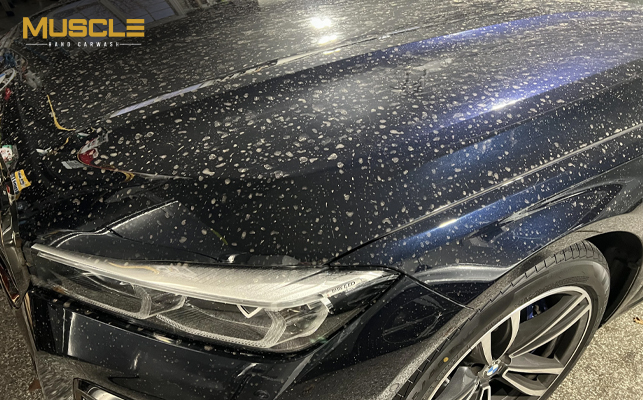
When it rains, your car will be heavily covered with mud, grime and difficult water markings. Going over puddles, muddy streets and storm debris can easily make a washed car dirty. Otherwise, mud and water marks will destroy your paint and leave permanent stains if you do not clean it in a timely manner. Being aware of how to clean your car after heavy rains is a way of saving your car and maintaining its cleanliness and appearance of your car.
This guide shows simple and effective ways to do car mud removal after rain so your car stays clean, protected, and shiny.
Step-by-Step Guide to Cleaning Your Car After Heavy Rain
Step 1: Rinse Off Loose Mud First
The first and most important step is rinsing the car thoroughly with clean water. Mud becomes easier to remove when it’s wet, so avoid wiping or scrubbing a dry, muddy surface.
Use a hose or pressure washer to spray the entire vehicle from top to bottom. Focus on wheel arches, tyres, and lower panels where mud tends to collect the most.
This initial rinse helps loosen dirt and makes car mud removal after rain much safer for your car’s paintwork.
Step 2: Wash the Exterior with Car Shampoo
Once the loose mud has been rinsed away, it’s time to wash the car properly. A soft microfibre wash brush and a good car shampoo should be used.
Follow these simple steps:
Fill a bucket with water and car shampoo
Start washing from the roof and work downward
Rinse the mitt frequently to avoid scratching
Pay extra attention to muddy areas
Washing gently ensures effective car mud removal after rain while preventing swirl marks or scratches on the paint.
Step 3: Clean Stubborn Sludge on the Body of the car
In the case of heavy storms, you can have thick grime or road sludge on the bottom panels and bumpers. It can be full of oil, sand and debris, which are difficult to remove.
To eliminate the sludge, pour more car shampoo, leave it for a minute and brush off the dirt with a soft brush or sponge.
Never use coarse scrubbing utensils; these are likely to scratch the paint. When the sludge becomes loose, then rinse the area.
Step 4: Clean Wheels and Tyres Properly
Wheels usually collect the most mud after driving through wet roads. Cleaning them properly improves the overall appearance of your car.
To clean car tires after mud, use a wheel cleaner and a tyre brush. Scrub around the rim edges, tyre walls, and inside the wheel arches where mud tends to accumulate.
Rinse thoroughly to remove all dirt and cleaning solution. Clean wheels instantly make your vehicle look fresher and better maintained.
Step 5: Clean Water Spots and Rain Marks
The mineral spots on the car can be a result of rainwater when the car is dry. Such stains are revealed when water evaporates, and minerals are left behind.
To remove water stains from a car, use a micro‑fibre cloth with a water‑spot remover or a mild detailing spray. Wipe it very gently till the marks are gone.
Use a clean towel to dry the car to prevent the continuation of new spots.
Step 6: Dry the Car to Prevent New Dirt Build-Up
Drying your car is an important step many people overlook. Allowing the vehicle to air-dry can leave streaks, water marks, and dust residue.
Use a large microfibre drying towel or a car dryer to remove excess water. Start from the roof and move downwards.
A properly dried car stays cleaner longer and completes the car mud removal after rain process effectively.
Step 7: Professional Detailing after Severe Storm
In the case of a car that has encountered extremely muddy roads, floods or a heavy load of debris, a simple wash might not suffice. The deep dirt, which storms bring, can be removed through professional details after the storm, which restores the shine and protects the paint using special products.
Detailing is also used to clean those hard-to-reach locations, such as the undercarriage and wheel wells, where grime accumulates.
Ways to keep your car safe in Rainy seasons
Also, by leaving your car covered when it is wet, the cleaning is minimised in the long run. Try these habits:
It’s best to park in the shade when you can.
Use a protection against dirt and water by applying wax or paint.
Wipe mud up immediately after driving in heavy rain.
Wash wheels and undercarriage.
Don’t let mud dry on the car.
These are the basic measures that will simplify the cleaning up of mud and keep your car clean.
Get Your Car Cleaned Today
For a shiny new look and protection against heavy rain, take your car to Muscle Hand Car Wash and have it properly cleaned and detailed.
Rains can easily leave your car dirty with mud splashes, road sludge, and water spots. The correct cleaning methods will help to regain the shine and prevent long-term damage to the paint. Rinsing off the loose dirt, washing, and drying properly, all these are important steps towards effective mud removal after rain.
Cleaning up after the storms keeps your vehicle in great condition and prevents the development of stubborn stains. When you want an extra clean after inclement weather, professional services can help a lot. For a reliable Car wash in Parramatta, the team at Muscle Hand Car Wash offers expert cleaning that keeps your car spotless and protected.
FAQ’s
How soon should I wash my car after heavy rain?
After it stops raining, you should wash your car as soon as possible. Mud and dirty water can dry on the paint and become harder to remove if left for too long.
Can mud damage my car’s paint?
Yes. Mud contains sand and debris that can scratch the paint if rubbed or scrubbed while dry. Proper rinsing and gentle washing prevent damage.
Is professional car washing better after storms?
In many cases, yes. After severe rain or muddy conditions, professional washing and detailing can remove deep dirt and protect your vehicle more effectively.



 March 15, 2026